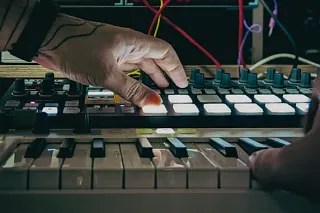
Live studio performances are an example of events that musicians create for their promotion along with concerts, interviews, photoshoots, etc. Studio lives are a unique form of communicating with the audience and representing oneself as an artist. With an understanding of how they work, musicians can benefit from them and create truly amazing products. In this article, Waestrai magazine explains why it is important to make studio lives and how to approach it.
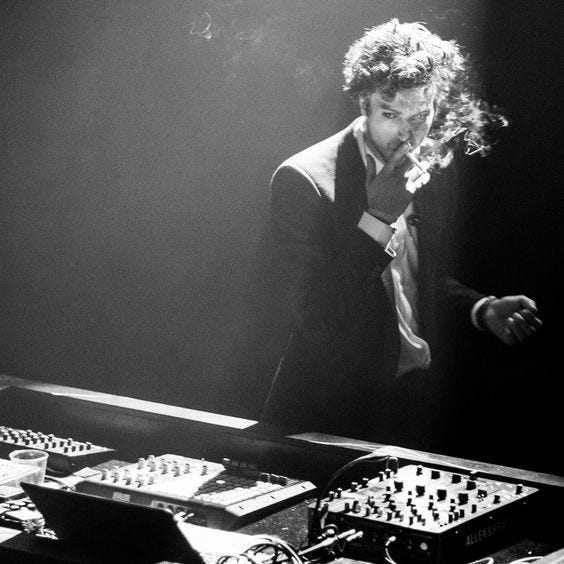
Gesaffelstein Coachella 2015
Why so valuable?
Studio lives are performances recorded by an artist or band in the studio and then published as audio or video material. Musicians often record entire albums in the studio and post them as concert files. It gives the impression of a full show and creates possibilities for artists to show their creativity in sound and video production. Published online, this material is viewed by many people all over the world, awakening their interest in attending a live show in a concert hall. If they liked a studio live performance, they will be interested to see what this artist can do on a big stage, interacting with a crowd.
Besides, studio live is a great way to promote an album or another new release, for a beautiful video with a new atmosphere will intrigue the audience to listen to it. The main quality that studio lives have in terms of being perceived by a listener is a sense of intimacy, getting closer to the artist, and learning something new about them. For the fans, it will become a valuable experience. And, of course, the chance to view a new product of their favorite artist will keep them active and passionate.
In making, studio live performances require quite a specific approach, yet, undoubtedly, possess advantages. First of all, unlike live concerts, there is no real audience (though it can be, and it is a bit different way of producing studio lives), and musicians have a chance to record for as long as they want or can afford, redoing certain parts many times. There also happens a stage of post-production, when the sound gets mixed, video edited, and everything combined, and ready to go gather views online. Therefore, making studio lives gives the freedom of experimenting and time to achieve a perfect result. Eventually, as a creative product, studio live recordings can be done in any way one can imagine, creating many artistic opportunities.
How musicians can benefit from making studio lives?
Recording studio lives is an effective way of promotion and a great act of expressing oneself as a creative. Through publishing such material, an artist can work for various goals. Whether it is promoting an album, preparing for a tour, or making deeper contact with the audience, live studio performances help to achieve it. The difference will be in the timing of posting the recording and the narrative behind it. Regardless of the situation, if only the general strategy of an artist is set for success, listeners will value this material.
Additionally, studio live performance can become a way of executing a certain idea, creative approach, attempt of collaboration, change of genre, or any other artistic experiment. In the comfort of one’s studio miracles also happen.
So what to remember about while making a studio live recording? A value that we have elaborated on will only be present if the job is done well. Thus, let us take a look at the most important aspects that must be considered in production.
Setting the equipment
A vital role certainly plays technology — sound must be recorded professionally. Choosing a space with good acoustics, preparing microphones of great quality, positioning and aiming them correctly, remembering to record the ambiance, effective positioning of the instruments, post-production mixing, and video equipment. All of this is highly important.
Setting the mood
When deciding on each component, keep in mind the initial goal of the process and an image of the desired result. This will help to focus and get the maximum out of the work.
As it was already mentioned, the feeling that recording gives a listener is a great part of its value. The product, as any other creative work, should be self-sufficient, powerful, and honest. No strategic effort can give results on its own if a piece of art is not genuine. So working on the recording starts with developing a concept and a personal purpose of it. Then it can be fit into the general strategy. When thinking about the goals of the product, include the idea of making something exceptionally good, fulfilling, and giving enlightenment. Add the intention to stay pure in it.
Making a video
Sometimes studio lives are published only as audio recordings, yet, in modern times, it is beneficial to make videos. An audio-visual product is a full work, and the components are connected by its purpose. Video plays an immense role in the perception of the piece, so it has to be planned thoroughly and made professionally. The way it looks will impact one’s artistic image and give way more information than can be expected. Information about the attitude, professionalism, and certain personal qualities of the artist. Therefore, nothing unnecessary should be included. Generally, making beautiful and atmospheric (in whatever aesthetic) videos will always pay off. Yet, of course, it is creative work, and everything gets made up for the concept.
Post-production
When everything is recorded, it should be worked through, enhanced, and combined to execute its purpose. Eventually, spiritual and technical aspects get together at this stage and are turned into the polished result.
In conclusion,
studio live recordings can become great events in one’s musical career. They are valuable for the audience, helpful for achieving different goals, and give many possibilities for creative growth. It is important to consider everything needed to create a product of good quality so that the process is truly beneficial.
Resources:
- Radiohead – In Rainbows From the Basement (April 2008);
- Studio Live Recording: Capturing the Energy of Live Performances by Mello Studio;
- Recording “Live in the Studio” by Filippo Barracco;
- Recording a Band Live In the Same Room by Matt MacQueen;
- Recording a Band Live in the Studio by Dave Spakman.
 waestrai.com