In this article we would like to share a portion of beauty – our recent visual and musical inspiration.
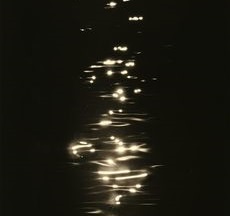
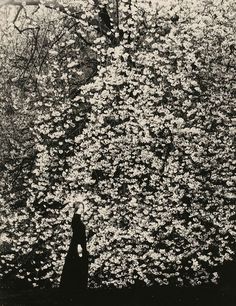
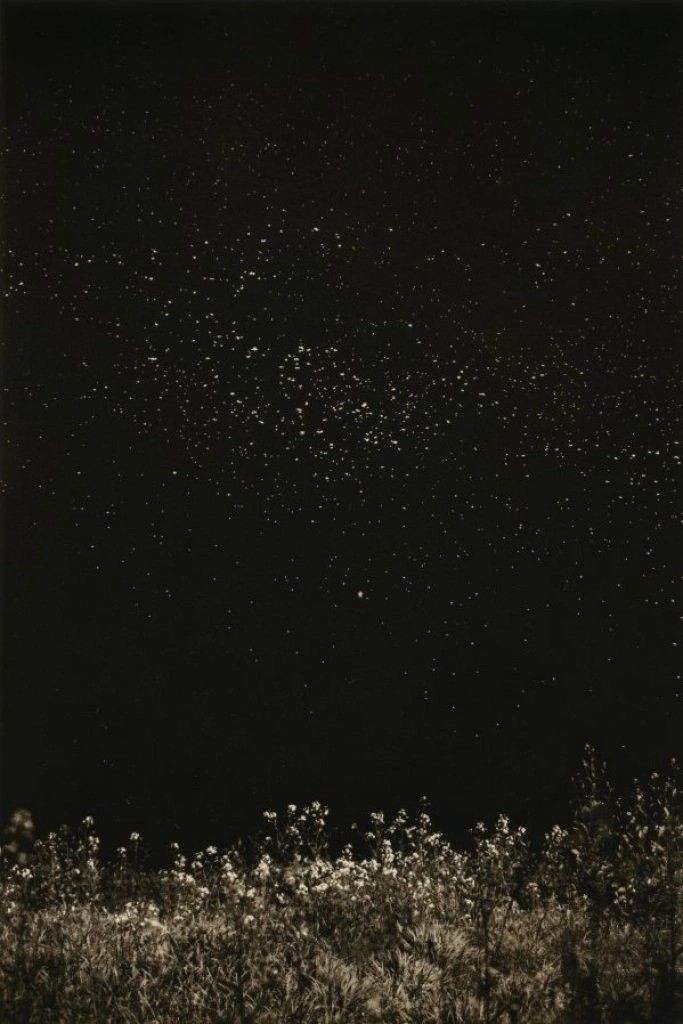
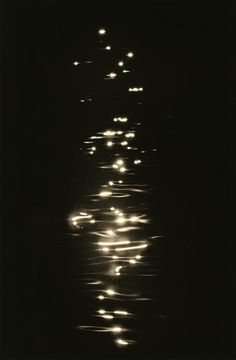
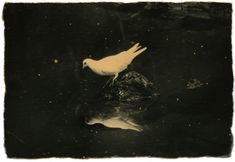
Masao Yamamoto – Japanese photographer who creates haunting, gentle, and intricate pictures that are often compared to the art of haiku. Similarly to eternal poetry, Yamamoto’s mysterious photographs capture the beauty of silence and movement, contrasts, and the concept of time.
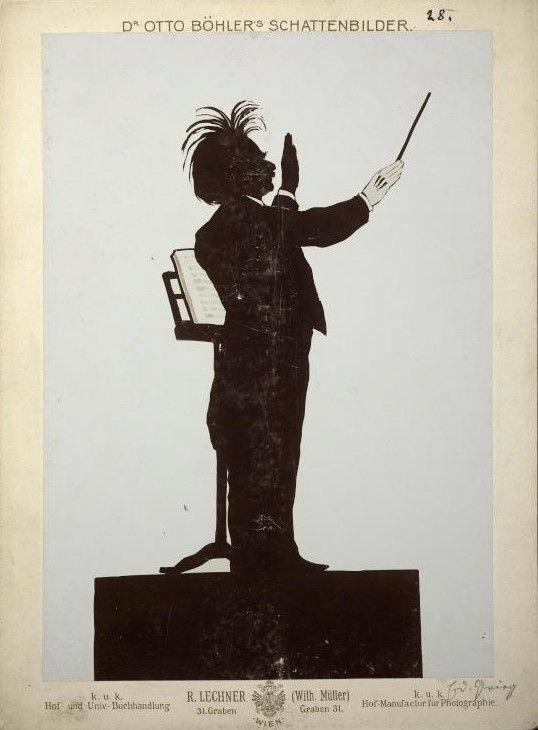
“Essential Classics” YouTube channel with wonderful compilations of classical music. Specifically, we were enchanted by the best of Edvard Grieg.
Edvard Grieg (1843-1907), silhouette (1902), by Otto Böhler (1847-1913), published in “Dr. Otto Böhler’s Schattenbilder”, Series A.
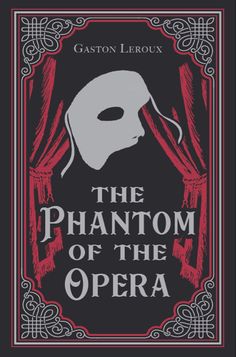
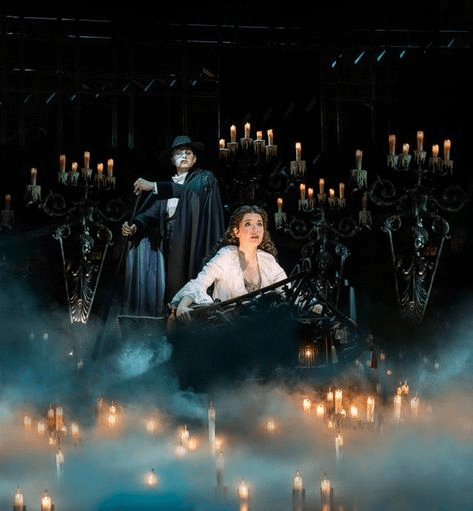
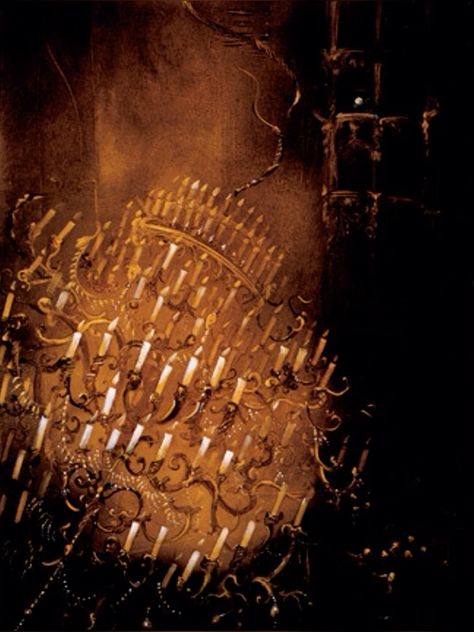
The story of “The Fantom of the Opera”. Dark, mysterious, and warm. Hauntingly beautiful.
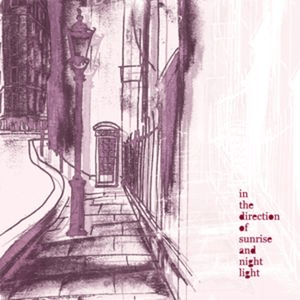
And let us cover everything up with some great J-rock/Visual Kei album. “In the direction of sunrise and night light” by Deadman is powerful and sensual, perfect for various moods.
We hope that you enjoyed discovering these art pieces. Remember that if you have any inspirational suggestions, you can feel free to email us.
Since ancient times, flowers have been given different symbolic meanings. Because of their natural beauty and tenderness, they were associated with gods and higher powers which made them an important element of people’s lives. Observing plants’ life cycles became an inspiration for speculating about destiny, purpose, love, time, and many other important aspects of being alive. As time passed, flowers have become strong symbols of emotions and aesthetics which artists incorporate into their work.
Musicians often use flower symbolism in song lyricism. This article shows how beautifully it can represent certain ideas and feelings through some examples.
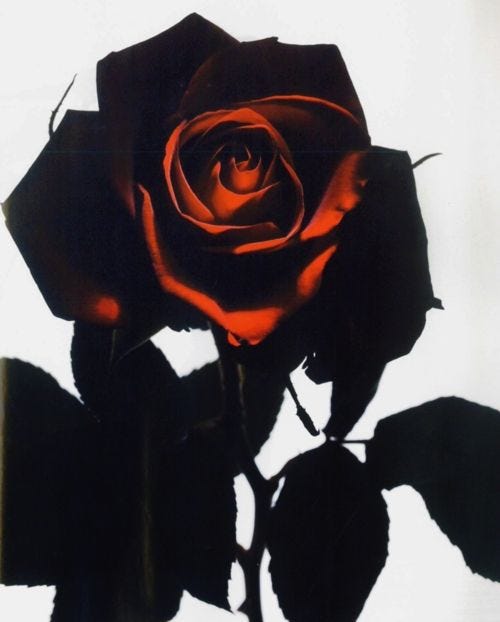
Image by Ben Hassett
Rose
is one of the most popular images to use in music. Classically it represents love and passion, coming from stable social associations with relationships. A great example would be Bon Jovi’s Bed Of Roses:
“Still I run out of time or it’s hard to get through Till the bird on the wire flies me back to you I’ll just close my eyes and whisper Baby, blind love is true
I want to lay you down in a bed of roses”.
In Ancient Greece roses represented the goddess of beauty Aphrodite. This association was manifested in music through the dark, mysterious, and graceful atmosphere of gothic compositions. It is represented amazingly in songs of the album “Bara no Seidou” (薔薇の聖堂 ― A Rose Sanctuary) by the Japanese visual kei band Malice Mizer.
“The shadows illuminated by pale moonlight I am dyed in the colors of the crimson rose
the promise we exchanged in the dead of night in the reaches of the mourning darkness as the churchbells resound, now, the flickering light…”
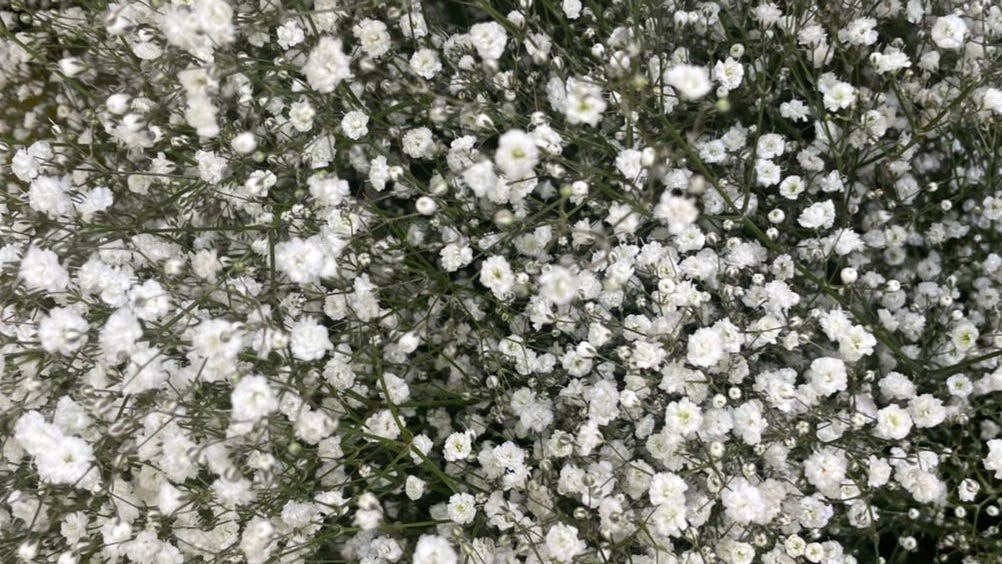
The beautiful image of these tender little flowers usually represents purity. For instance, in Bill Callahan’s song “Baby’s Breath” there are lines “Oh young girl at the wedding Baby’s breath in her hair A crowning lace above her face That’ll last a day before it turns to hay”.
Here baby’s breath is a part of the bride’s gown. Flowers in her hair, veil made out of lace, everything is white, and so is her dress. A very gentle image, in which flowers play a significant role. Purity is represented by both the white color of the baby’s breath and its position along with other elements of a bridal gown. It is the wedding day after what, traditionally speaking, a pure young lady becomes a wife.
The dark atmosphere of the song emphasizes the idea of loyalty, looking back to a loved one. And eventually being strong enough to overcome everything, even death, to stay with each other.
Flowers are a gift from nature that pierces the souls of many people with beauty. Artists put their tears of love into art, into songs that we then listen to. This is how flower symbolism is incorporated into music.
Live studio performances are an example of events that musicians create for their promotion along with concerts, interviews, photoshoots, etc. Studio lives are a unique form of communicating with the audience and representing oneself as an artist. With an understanding of how they work, musicians can benefit from them and create truly amazing products. In this article, Waestrai magazine explains why it is important to make studio lives and how to approach it.
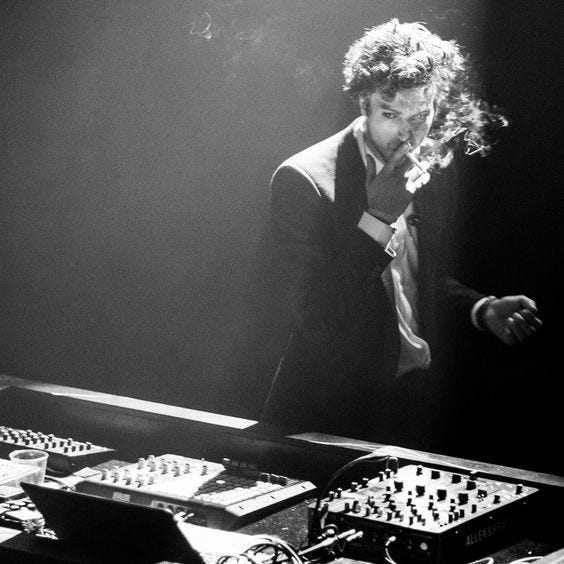
Gesaffelstein Coachella 2015
Why so valuable?
Studio lives are performances recorded by an artist or band in the studio and then published as audio or video material. Musicians often record entire albums in the studio and post them as concert files. It gives the impression of a full show and creates possibilities for artists to show their creativity in sound and video production. Published online, this material is viewed by many people all over the world, awakening their interest in attending a live show in a concert hall. If they liked a studio live performance, they will be interested to see what this artist can do on a big stage, interacting with a crowd.
Besides, studio live is a great way to promote an album or another new release, for a beautiful video with a new atmosphere will intrigue the audience to listen to it. The main quality that studio lives have in terms of being perceived by a listener is a sense of intimacy, getting closer to the artist, and learning something new about them. For the fans, it will become a valuable experience. And, of course, the chance to view a new product of their favorite artist will keep them active and passionate.
In making, studio live performances require quite a specific approach, yet, undoubtedly, possess advantages. First of all, unlike live concerts, there is no real audience (though it can be, and it is a bit different way of producing studio lives), and musicians have a chance to record for as long as they want or can afford, redoing certain parts many times. There also happens a stage of post-production, when the sound gets mixed, video edited, and everything combined, and ready to go gather views online. Therefore, making studio lives gives the freedom of experimenting and time to achieve a perfect result. Eventually, as a creative product, studio live recordings can be done in any way one can imagine, creating many artistic opportunities.
How musicians can benefit from making studio lives?
Recording studio lives is an effective way of promotion and a great act of expressing oneself as a creative. Through publishing such material, an artist can work for various goals. Whether it is promoting an album, preparing for a tour, or making deeper contact with the audience, live studio performances help to achieve it. The difference will be in the timing of posting the recording and the narrative behind it. Regardless of the situation, if only the general strategy of an artist is set for success, listeners will value this material.
Additionally, studio live performance can become a way of executing a certain idea, creative approach, attempt of collaboration, change of genre, or any other artistic experiment. In the comfort of one’s studio miracles also happen.
So what to remember about while making a studio live recording? A value that we have elaborated on will only be present if the job is done well. Thus, let us take a look at the most important aspects that must be considered in production.
Setting the equipment
A vital role certainly plays technology — sound must be recorded professionally. Choosing a space with good acoustics, preparing microphones of great quality, positioning and aiming them correctly, remembering to record the ambiance, effective positioning of the instruments, post-production mixing, and video equipment. All of this is highly important.
Setting the mood
When deciding on each component, keep in mind the initial goal of the process and an image of the desired result. This will help to focus and get the maximum out of the work.
As it was already mentioned, the feeling that recording gives a listener is a great part of its value. The product, as any other creative work, should be self-sufficient, powerful, and honest. No strategic effort can give results on its own if a piece of art is not genuine. So working on the recording starts with developing a concept and a personal purpose of it. Then it can be fit into the general strategy. When thinking about the goals of the product, include the idea of making something exceptionally good, fulfilling, and giving enlightenment. Add the intention to stay pure in it.
Making a video
Sometimes studio lives are published only as audio recordings, yet, in modern times, it is beneficial to make videos. An audio-visual product is a full work, and the components are connected by its purpose. Video plays an immense role in the perception of the piece, so it has to be planned thoroughly and made professionally. The way it looks will impact one’s artistic image and give way more information than can be expected. Information about the attitude, professionalism, and certain personal qualities of the artist. Therefore, nothing unnecessary should be included. Generally, making beautiful and atmospheric (in whatever aesthetic) videos will always pay off. Yet, of course, it is creative work, and everything gets made up for the concept.
Post-production
When everything is recorded, it should be worked through, enhanced, and combined to execute its purpose. Eventually, spiritual and technical aspects get together at this stage and are turned into the polished result.
In conclusion,
studio live recordings can become great events in one’s musical career. They are valuable for the audience, helpful for achieving different goals, and give many possibilities for creative growth. It is important to consider everything needed to create a product of good quality so that the process is truly beneficial.
Musicians work with a subtle material of emotion. In a creative process, it often happens that the initial idea of the piece gets covered by many possible interpretations appearing on the way. Many musicians find a struggle in delivering exactly what they want, keeping things in order when composing. Of course, a bit of chaos is an essential part of a creative process, yet, after all, we all expect a certain result. To help solve the problem of being stuck, Waestrai magazine suggests getting to know ways of musical organization.
Musical form
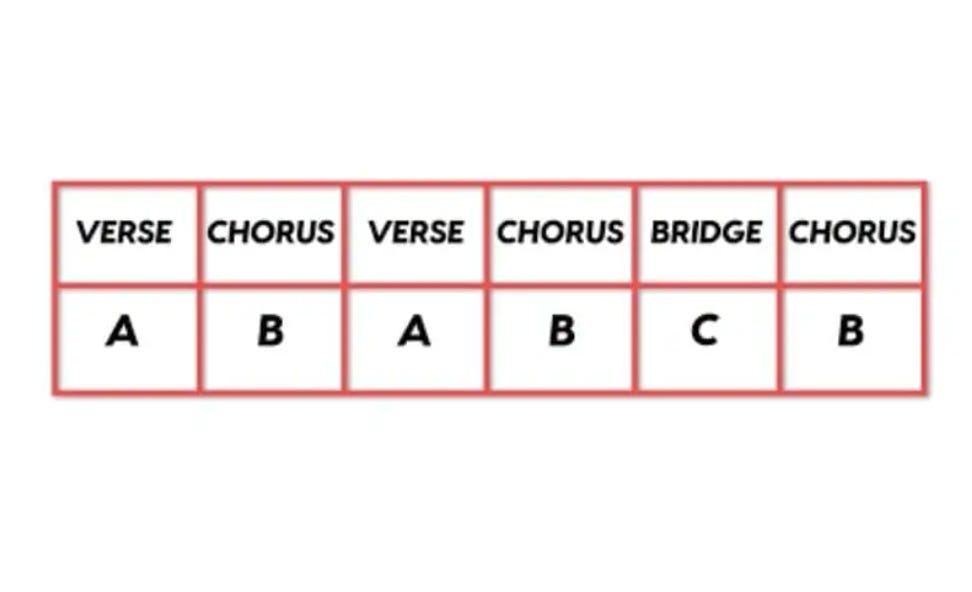
Every piece possesses a structure: a system in which parts are put together. In music, it is called musical form. Most of the popular modern compositions have the song form that would be a variation of this plan: intro > verse > pre-chorus > chorus > verse > pre-chorus > chorus > bridge > chorus. But generally, musical form can be made up in any way that delivers a desired concept. There are some classical and famous musical forms to consider:
Single form — A. The smallest unit, where A is the period;
Binary form —A B;
Tripartite form — A B A;
Rondo — A B A C A D A…;
Variative form — A A(1) A(2) A(3), where (1), (2), and (3) are variations of A.
Sonata form — exposition > development > recapitulation.
When using a song form or writing any other composition, it is important to plan the goal or function of each part. Every one of them can be divided further into phrases and then motifs.
Creating a vision for all elements helps set thoughts in the right direction and diminishes chaos. Each part of a piece should be customized specifically to the author’s idea, which will be kept in mind while composing. It does not block artistic freedom and it is still a creative approach because the concept remains the most important part. Remember that you are in control of everything that happens in your music, while planning is only a tool that helps to make the process more productive.
Musical texture
While form gives an “outside” view of a piece, texture is what allows us to look inside. It touches upon everything related to the organization of the sound. Texture can be monophonic if there is only one line in progress or polyphonic if there are several. It also refers to the location of the notes: wide or close together. Additionally, for our perception, there is always the main voice and the background ones. In composing using musical texture usually comes to arranging many different voices, making them match with one another and with the leading one. Conscious understanding of how it works allows us to build up every single line to execute its purpose in a piece. Mood in music depends not only on the chosen note sequences but as well on the harmonious combination of all the instruments’ lines. This is why remembering about texture is helpful. Similarly to the situation with the form, we plan each of the lines according to their function. For instance, a bass can outline certain parts of the lead voice, an electric guitar can create a sense of tension, and the strings can make up the feeling of enlightenment. In the process of planning, it is easy to set the imagination free and dig deeply into one’s true vision of the music, widen the perspective, reach new horizons, and, of course, deliver one’s specific truth.
Interestingly enough, musical knowledge operates similar thinking patterns regarding different aspects. This is why working with one of them thoroughly helps to expand the initial idea when proceeding to another. A concept reveals itself when being viewed from different perspectives, through various definitions. Therefore, the problem of not knowing exactly what is happening in a piece gets solved.
In conclusion, understanding how to work with musical form and texture not only helps to create order in the process of composing, but also creates possibilities for enhancing the idea, specifying it, and making it unique. Eventually, hard and accurate work on a piece always pays off afterward, when the sound feels polished, radiates intelligence and self-sufficiency.
There are two impressions that jazz usually gives to a listener: either a sense of freedom on which music is built or an image of its strict and sophisticated structure. This article explores the combination of two opposite qualities in jazz and studies the uniqueness of the genre. Thanks for reading Waestrai’s Substack! Subscribe for free to receive new posts and support my work.
Jazz is a well-defined and self-sufficient genre that catches the listener’s attention and strikes one’s perception with a special approach to music. It uses unexpected musical plot twists and generally is very different from other styles, which makes it often associated with a sense of freedom. This is a driving force of the composer’s, performer’s work, and, eventually, a listener’s experience. The role that the concept of freedom plays in jazz is undeniable. It has its roots in the history of the revolutionist African Americans who used music as a form of protest to liberate themselves. The genre was formed on these people’s will to be free and their genuine and unbiased understanding of music.
Considering how jazz music was invented, it is clear that it was not built on the same ground as classical music. This conceptual difference impacted what was considered beautiful to listen to and, therefore, forming composition rules.
It is important to mention that classical music and jazz have the same base in terms of music theory. Yet it still can be stated that jazz possesses its own specific features. Indeed, to achieve such a unique sound, there have to be some concrete patterns to follow. Here is when strictness unravels. It comes out of the perception of what sounds like jazz and what doesn’t. In order to master the genre, modern musicians spend a lot of time studying jazz standards to truly understand it, to train their ears, and to learn the key rules to use afterward in their compositions.
Some of the main jazz theory aspects are extended harmony (jazz uses chords with added notes like 9th, 11th, and 13th when classical music doesn’t usually go for more than a 7th), call and response pattern, rhythmic specifics like swing and syncopation, walking bass and double bass. The setting of a jazz band can vary, however, it would consist of some of the instruments like keyboard, percussion, double bass, saxophone, trumpet, trombone, clarinet, and electric guitar. Although these instruments usually deliver the feeling of jazz in the best way, a true master could apply their knowledge to any other one and get the desired effect. A great example of such work is Dorothy Ashby who successfully built her jazz music using a harp. This emphasizes the importance of theory in jazz and shows how strict knowledge can make an artist truly free in their craft.
Another jazz element of great importance is improvisation. Seemingly, an act of complete freedom, yet, again, hardly possible without previous training. Improvisation plays a key role in jazz and represents its main values and approaches in a beautiful way. It shows how one must undertake hard work and empowerment to then be able to let it all go, almost creating magic, mesmerizing the audience. Jazz music shines with genuinity and uniqueness, it awakens desires to be more and make more, better. It is a true gem in the musical realm that connects even the opposites.
To conclude, jazz music combines the characteristics of strictness and freedom in its conceptual and technical aspects. Freedom was a force that formed the genre and now represents it through historical values, uniqueness of sound, and technique of improvisation. Meanwhile, mastering jazz requires a deep understanding of its coloration and a strong knowledge of rules. Only after going through the strictness of genre’s specifics, a jazz musician unlocks freedom in composition and performing.
Resourses: “The history of jazz” – Ted Goia; Ralia Morgan on jazz band setting for Radio Art (01.11.2022); Dorothy Ashby – topic on YouTube; Jazz Theory overview – TJPS.










 waestrai.com